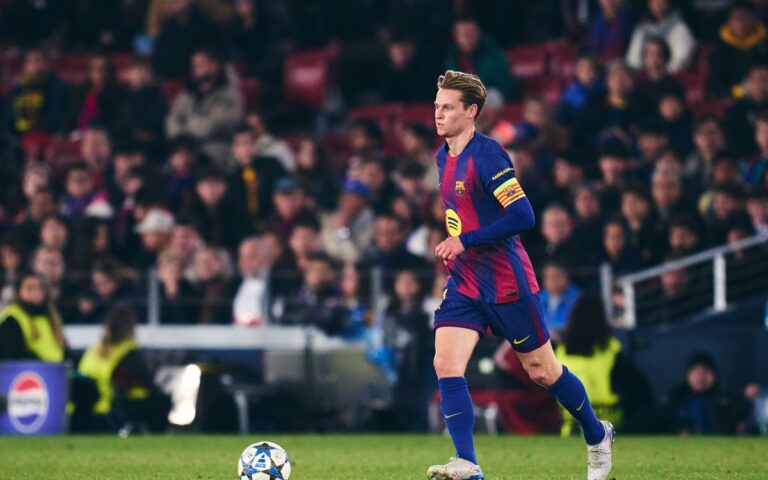
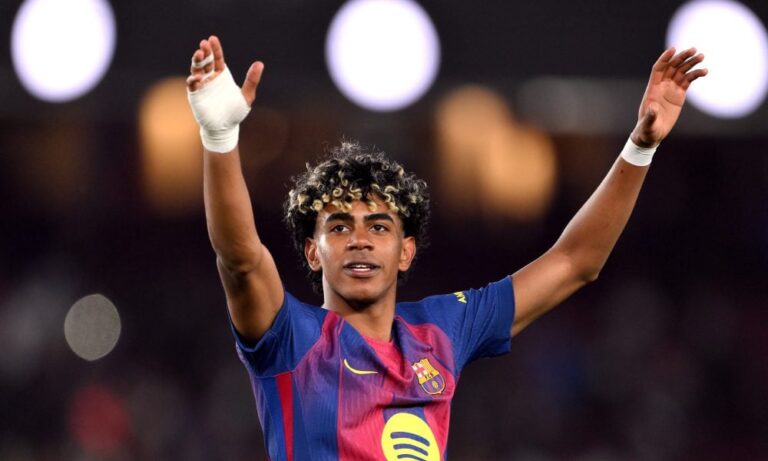
The financial trek through the desert for FC Barcelona seems to have finally reached its end according to SPORT. After years defined by austerity, emergency “economic levers,” and unprecedented crisis management, economic indicators suggest that the club has not only left the intensive care unit but is prepared to lead the global football industry once again in 2026.
According to the latest projections, Barça will return to the podium of the world’s highest-earning clubs. This helps compete head-to-head with Premier League powerhouses, state-run clubs and Real Madrid.
The New Spotify Camp Nou: The Engine of Change
The masterpiece of this recovery is, without a doubt, the return home. The operation of the new stadium is not merely an infrastructure upgrade; it is a total shift in the business model. Unlike the old grounds, the new Spotify Camp Nou is designed to be a revenue stream 365 days a year.
- Hospitality and VIP: The expanded offering of boxes and high-end seating guarantees a cash flow that was previously marginal.
- The Museum and Tour: The modernization of the museum space, combined with Barcelona’s massive tourist traffic, makes this one of the entity’s most profitable sectors.
- Events: The capacity to host major international events in the near future.
Sustainability and Wage Bill Control at Barcelona
For a club to remain credible before the markets and governing bodies like UEFA or La Liga, expertise in expenditure management is just as vital as revenue. Barcelona has achieved a drastic reduction in its wage bill, moving from percentages that suffocated the club’s viability to ratios that meet the “excellence” recommendations (roughly 55-60% of ordinary income).
This discipline allows the club – for the first time in years – to enter the transfer market under the 1:1 rule, operating normally and without the restrictions that hampered previous planning.
The Barcelona Brand: Commercial Assets and BLM
The value of the brand has successfully weathered the sporting slump. Maintaining majority control of Barça Licensing & Merchandising (BLM) has proven to be a winning strategic decision. By not underselling this asset, the club directly capitalizes on every jersey sold across the globe. This provides the club with the revenue diversification needed to command authority in the Deloitte and Forbes financial rankings.
Returning to the Elite
When analyzing the European ecosystem, Barça’s growth for 2026 is projected to outperform many of their direct competitors. Other clubs have already hit their stadium exploitation ceilings. But Barcelona benefit from a massive “rebound effect” following the temporary stay at Montjuïc.
The reliability of this economic project lies in the fact that it does not depend on one-off extraordinary income. A structure of recurring revenue can be adopted instead.
For the members (socios) and fans, this means the ownership model is more protected than ever. Success in the offices is what must ultimately allow the talent of La Masia to be reinforced with global stars, returning the club to its rightful historical place: the pinnacle of the Champions League.