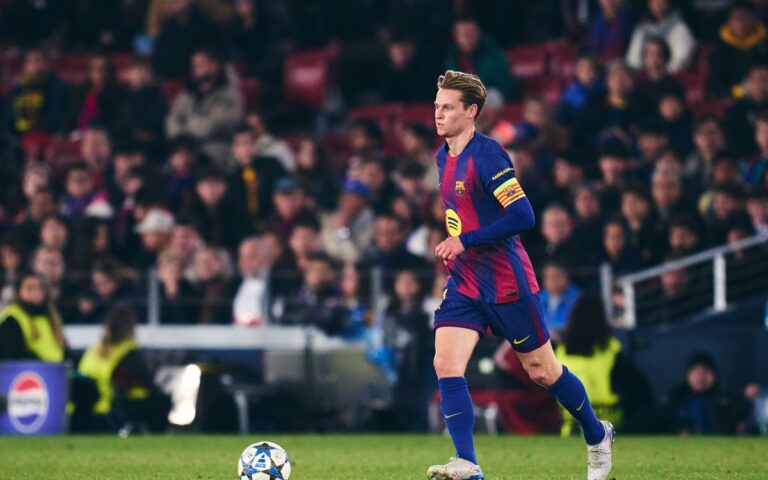
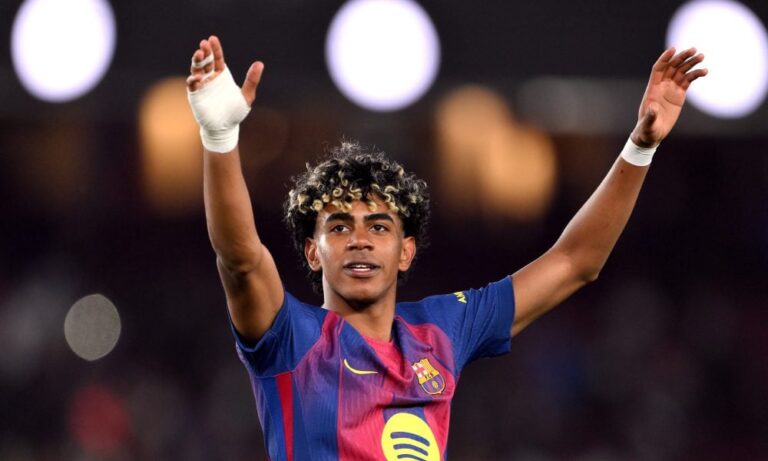
Professional football is often portrayed as a world of luxury and privilege. For Raphinha, though, the path to the Spotify Camp Nou wasn’t paved with gold. It was built on extreme resilience.
In a recent and honest interview with UOL Esporte, the Brazilian winger opened up about his past in Porto Alegre. He revealed a reality many are unaware of: football wasn’t just a career; it was a survival mechanism.
Hunger and Temptation: Life in Restinga
Raphinha grew up in Restinga, one of the most impoverished favelas in Porto Alegre. There, the line between sports and organized crime is dangerously thin. The player confessed that during his childhood, he lost many friends who chose the path of drug trafficking. They were lured by the promise of quick money, in the face of absolute precarity.
“During my adolescence, easy opportunities to make money appeared. That’s where people get lost,” Raphinha recalled. “I lost many friends to the world of crime, to drug trafficking… Friends who were actually better than me at football.”
The Three Pillars of His Resilience
Raphinha’s trajectory was defined by three key factors that set him apart from other talents who fell by the wayside.
- Family Support: Unlike many young people in similar situations, Raphinha had a family structure that, despite their hardships, prioritized values and hard work.
- The Power to Say “No”: The player recounts how he repeatedly rejected offers to enter illegal business, maintaining iron discipline even when he occasionally had nothing to eat after training sessions.
- The Mindset: Brazilian street football forged his competitive character. The sporting aggression we see today when he presses the opponent’s defense is a vestige of the dirt pitches where he played for much more than just three points.
Why This Story Connects with the Barcelona DNA
Raphinha’s role has evolved significantly this season. Moving from a player questioned for inconsistency to one of the leaders in the dressing room, his background explains his work ethic: for someone who has known hunger, running 12 kilometers a match isn’t a chore – it’s a privilege.
FC Barcelona has always valued resilient human profiles (much like Rivaldo or Ronaldinho, who also hails from Porto Alegre). Raphinha doesn’t just bring goals and assists; he brings a “survivor” mentality that is contagious for the youngsters at La Masia.
More Than a Footballer
Raphinha’s story is a reminder that behind every jersey, there is a battle won against the odds. In an increasingly elitist football world, the Brazilian represents the essence of the self-made player.
For Culers, knowing that their captain values the shirt because he knows the price of scarcity only increases the respect for him. Raphinha doesn’t just play to win titles; he plays to honor the boy who decided not to give up on the streets of Restinga.