Spain did not produce their cleanest night of the World Cup. For Barcelona, that is precisely why the 1-0 win over Uruguay matters.
Alex Baena’s first-half goal sent Luis de la Fuente’s side through as Group H winners, while Uruguay’s exit ended Ronald Araujo’s tournament before he could become a central figure in it. The Barcelona angle is sharper than the scoreline: Spain advanced with a core that continues to lean heavily on Lamine Yamal, Pedri, Pau Cubarsi, Dani Olmo and Ferran Torres.
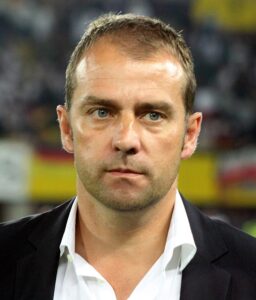
Barcelona confirmed eight first-team players in Spain’s World Cup squad before the tournament, and that depth is now moving into the knockout stage. Hansi Flick will welcome the prestige. He will also see the calendar problem forming in plain sight.
Spain Control The Match, Barcelona Carry The Cost
The Guardian’s live report had Spain completing 400 passes to Uruguay’s 132 after 61 minutes, a snapshot that explains the tactical rhythm of the game. Spain controlled territory, forced Uruguay to chase, and never allowed Marcelo Bielsa’s side to create the kind of broken-field contest that would have suited them.
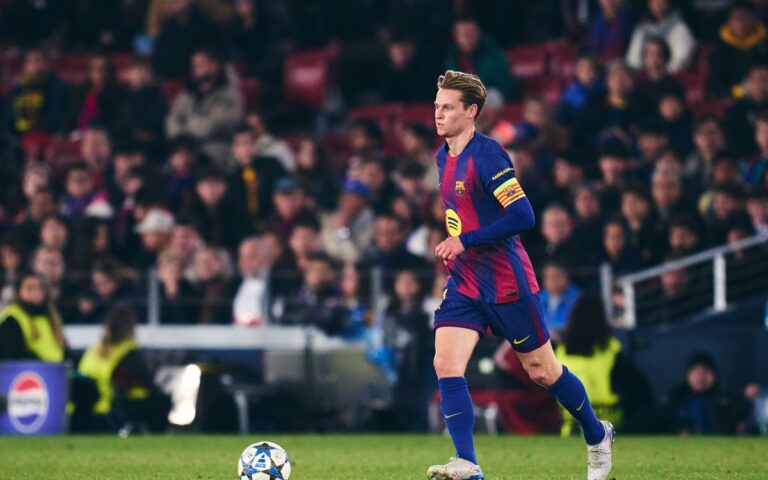
For Barcelona, that control came through familiar channels. Pedri started before making way for Dani Olmo on the hour. Lamine Yamal again operated as the wide threat Uruguay had spent the build-up discussing. Cubarsi’s presence underlined why Spain are increasingly comfortable building their tournament identity around players who already understand positional patience at club level.
That is excellent news for Spain. It is more complicated for Flick.
Barcelona’s own pre-season plan is already tight: the club have announced that the first team return on July 13 for medical checks and physical tests, followed by work at the Ciutat Esportiva and a training stage in England. Every Spain knockout round now eats deeper into the recovery window for players Flick needs to be fresh, not merely available.
Yamal’s Status Changes The Summer Calculation
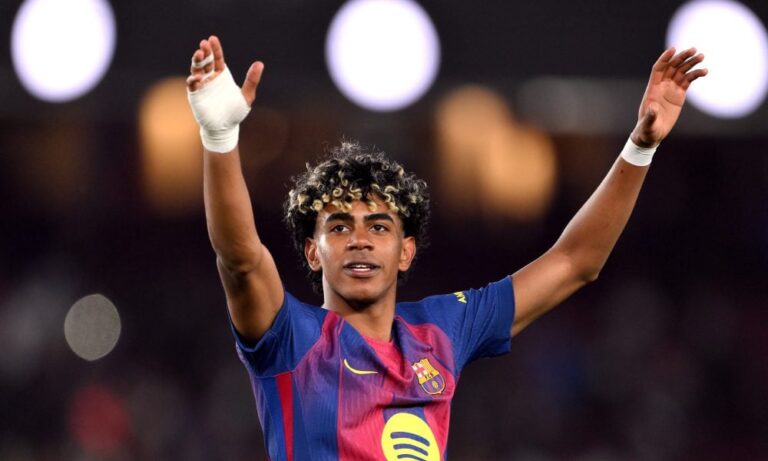
The point with Yamal is no longer whether he belongs on this stage. That argument has gone. Barcelona’s World Cup diary recorded his first start and goal in the 4-0 win over Saudi Arabia, with Olmo, Pedri and Cubarsi also starting that match. Uruguay then became another test of how opponents frame Spain’s attack around stopping him.
That attention is a compliment, but it is also a physical tax. Wide players who carry the ball, draw contact and stretch defensive blocks tend to accumulate fatigue differently from centre-backs or deeper midfielders. Yamal is not just playing minutes; he is playing high-value, high-pressure minutes in matches that opponents are actively designing around him.
This is where Flick’s management becomes delicate. Barcelona need Yamal’s rhythm, but they cannot afford to treat an 18-year-old’s World Cup momentum as an invitation to overload him through July and August. The same applies to Pedri and Olmo, two players whose value rises when their sharpness is protected rather than squeezed.
There is one obvious upside. Spain’s controlled football should, in theory, reduce the number of chaotic transition sprints Barcelona players are forced to survive. The Uruguay game was not frantic for long spells, and Ferran Torres even struck the bar late after finding space inside the area.
Still, the bigger picture is unavoidable. Spain’s progress strengthens Barcelona’s global profile and validates La Masia’s influence on the national team. It also hands Flick a pre-season puzzle that will not be solved by optimism.
Fermin Lopez’s injury has already reminded Barcelona how quickly summer plans can tighten. Spain’s win over Uruguay added a different kind of warning: success at the World Cup is valuable, but the bill arrives when club football restarts.